
How much is your Down Payment on a new home?
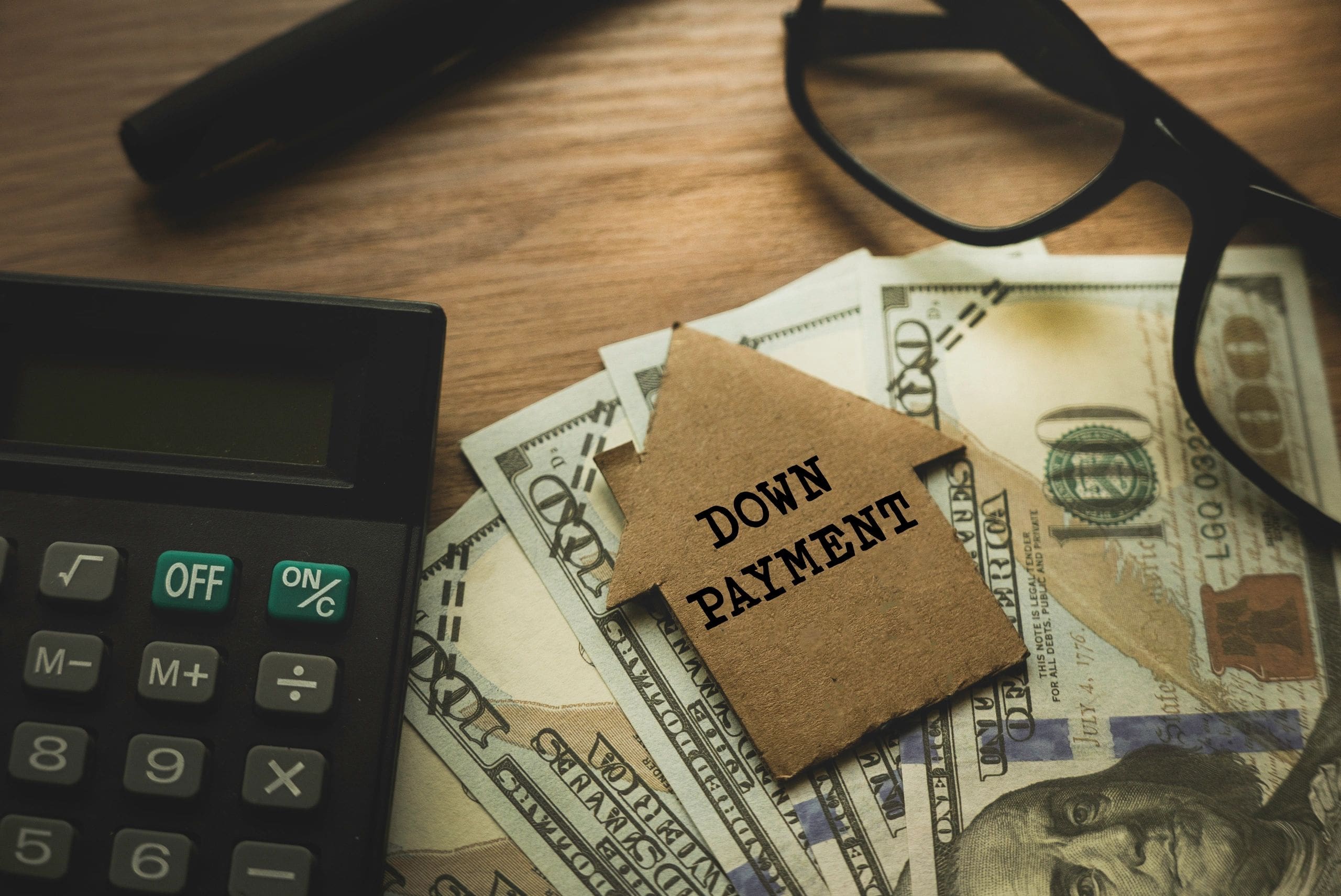
I think most buyers are confused about how much money they need to have at closing when buying a home. That lump sum needed for the down payment has scared buyers and made many miss out on their starter home or the house of their dreams. But how much do you actually need to bring to the closing table?
The type of property you are buying makes a difference. For investors or someone who is acquiring an investment property that will not be their primary residence, the down payment is usually twenty percent (20%) of the purchase price. This means that if you are buying a home priced at $1.5 million, you will need to pay $300,000 at closing (equivalent to 20% of the sale price). Secondary properties or investment properties require a much higher down payment than your primary residence but if you have the expendable funds, investing in real estate is a good way to grow your capital.

Here’s a Tip! A great way to purchase an investment property and only put down a small amount is to purchase a duplex, triplex or quadplex and reside in one of the units. You can benefit from the smaller down payment amount and generate income from the other unit or units by renting them out.
Purchasing your primary residence is much different and you have options. The first thing you’ll need to do is get pre approved by your lender or your bank if they offer mortgage loans. Once you know what your approval status is and the type of loan you qualify for, you can begin to calculate the amount due at closing. When it comes to the type of loan, their are several options but the most common are (1) Conventional and (2) FHA.
With a Conventional Loan, your required down payment can be as low as three percent (3%). Many buyers are elated to learn that so little is due when it comes time to close. However, their are limitations… For example, if the loan amount surpasses $766,550, it is considered a “jumbo loan” and requires a heftier down payment that can be upwards of twenty percent (20%) similar to what an investor would pay for a second or third property. If the loan is below the cap rate for a jumbo loan, then you, the buyer, can opt to pay 3%, 5%, 10%, etc., depending on your situation. Even though you may qualify for only 3% down, speak with your lender and ask them to show you scenarios with different down payment amounts to demonstrate what your monthly payment will be. If you have the extra money and want to make smaller payments, consider increasing your down payment.
An FHA loan is similar to a conventional but is backed by the Federal Housing Administration while conventional loans are not. The qualification for an FHA loan is slightly less stringent and a lower credit score is not a deterrent for potential buyers. The typical down payment with an FHA loan is around three point five percent (3.5%) but again, you can pay more if you want to reduce your monthly mortgage payments. Conventional loans typically require a credit score of 620 or higher to be approved, while an FHA loan can be granted with a credit score as low as 500 if you have a ten percent (10%) down payment, or as low as 580 if you have a three point five percent (3.5%) down payment
When it comes time to purchase your home, trust the experts and work with your realtor and lender to get the best possible deal for your home loan. Understanding your down payment options and closing costs from the start will help you make your home buying experience easier and faster for all parties involved.
For more information, contact us today at (954) 710-2345 or email Rafael@Amador.RealEstate